ACRES (Agri-Climate Rural Environment Scheme) is Ireland’s new agri-environment climate scheme proposed as part of Ireland’s draft CAP Strategic Plan. This new €1.5 billion flagship agri-environment scheme will be a farmer-friendly scheme to help address biodiversity decline while delivering an income support for up to 50,000 farm families in Ireland.
Hedging.ie supports the scheme and is qualified to support the following initiatives promoted under the scheme. You can learn more about qualifying details and conditions for payment in each section by clicking below.
Planting Trees in Riparian Buffer Zone
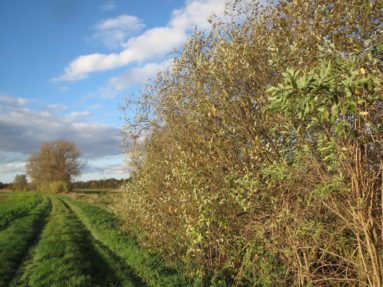
Objective: To protect water quality by enhancing nutrient uptake while also supporting biodiversity. In some situations, new riparian buffer zones will benefit from the planting of appropriate tree species to enhance erosion interception and provide improved bank stability. Tree roots and canopy will intercept subsurface and aerial pollutant pathways.
Background: Trees planted along a river edge help to keep the river going its due course and help prevent erosion of the river bank especially on turns in the river where erosion traditionally occurs. The roots of the trees help to bind the soil on the river banks together to stop it being washed away.
Planting New
Hedgerow
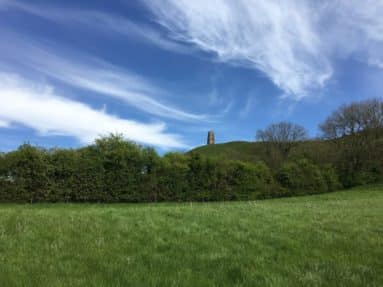
Objective: This measure aims to enhance the visual appearance of the countryside, support biodiversity on farms and protect water quality.
Background: Mature hedgerows provide an important wildlife habitat with greater benefits where they extend or link existing hedgerows or woodland habitats. A hedgerow over 1.8 metres in height that has a wide base, a mix of woody species for an extended pollen and nectar season, and has some mature trees, will have the greatest benefit for biodiversity. Hedgerows also have additional benefits for water quality when strategically positioned to help reduce soil erosion and sediment run off. Where the Planting a new hedgerow action is taken on a farm boundary, the applicant must have control of and access, to maintain both sides.
Tree Belts for Ammonia Capture from Farmyards
Objective: To capture ammonia emissions from livestock housing or uncovered slurry stores by directing the emissions into the tree belt and through the main canopy.
Background: Using Low Emission Slurry Spreading equipment and ensuring all slurry storage is covered greatly reduces ammonia emissions. To further reduce losses, a suitably located and managed shelterbelt woodland can provide benefits in terms of ammonia recapture. Planting small woodland blocks strategically located downwind of an ammonia source (e.g., livestock or poultry housing or uncovered slurry stores) optimises ammonia recapture. Together with greenhouse gas recapture, these shelter belts sequester carbon, support biodiversity and screen farm buildings to enhance the visual appearance of the landscape.
Planting a new Orchard
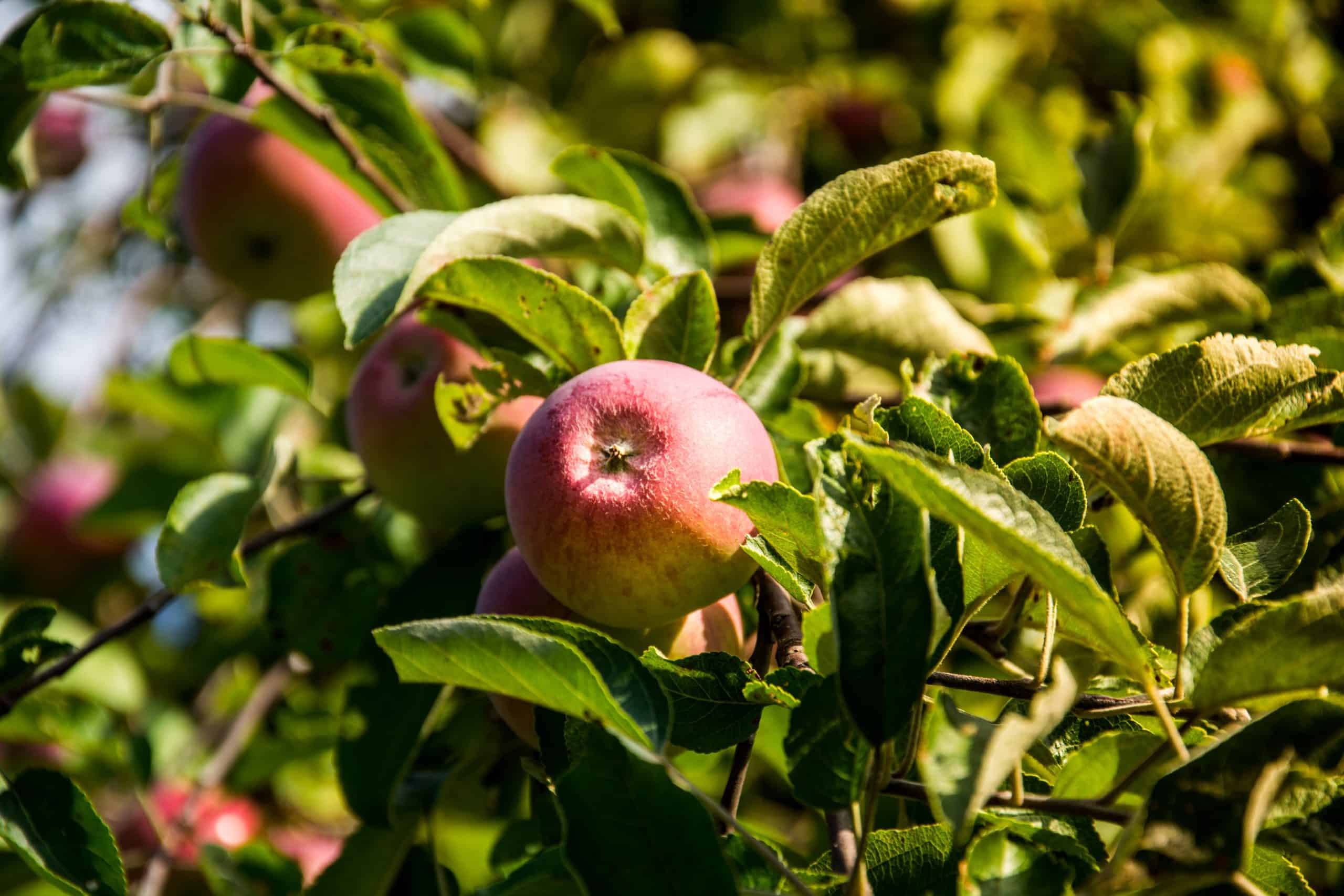
Objective: To support biodiversity and help ensure the survival of traditional Irish apple varieties.
Background: While apple trees have been grown in Ireland for many centuries, the native genetic pool has been significantly altered to incorporate a number of modern varieties. This measure endeavours to conserve the authenticity of traditional apple tree varieties while also sustaining their heritage, by only growing trees that were once common to Irish soils.
Tree Planting
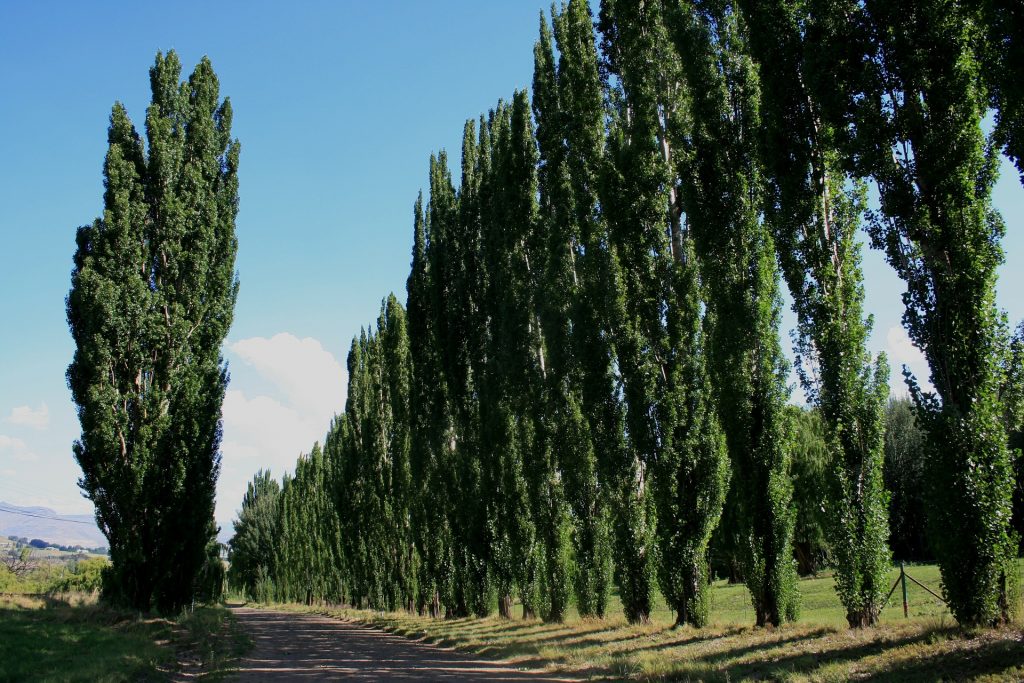
Objective: This measure aims to encourage the planting of trees on farms where they will have multiple benefits while offering flexible planting options to suit the holding.
Background: Planting trees on farms can sequester carbon, support biodiversity, help reduce soil erosion and sediment loss, and recover leached nutrients. They also contribute to increase water retention, provide shelter and shading for livestock when mature, and enhance the visual appearance of the farm landscape. This action encompasses planting in rows, groups or parkland, which can have multiple benefits on farms when strategically located.
Hedgerow Requirements
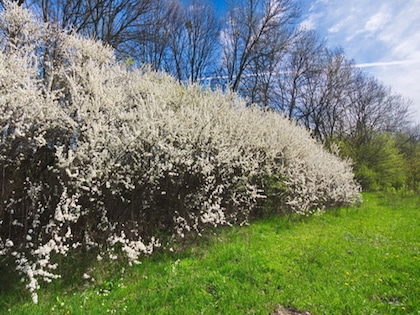
Objective: Good quality hedgerows will greatly enhance the benefits of other linear actions such as Grass margins, Winter bird food strips, Unharvested cereal headlands and Ryegrass seed-set.
Background: Hedgerows are critically important as wildlife habitats and act as vital nature corridors connecting habitats throughout the landscape. A mix of escaped hedgerows (side trimmed only) and topped hedgerows over 1.8 metres in height, with a wide base and some thorn trees left to mature along the hedgerow, will have the greatest benefit for biodiversity.